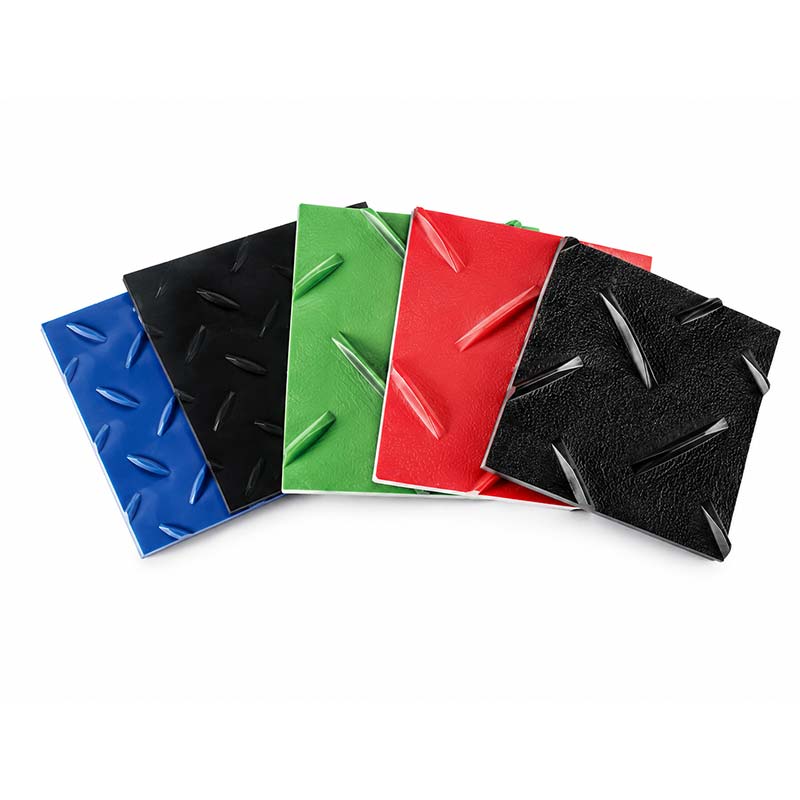
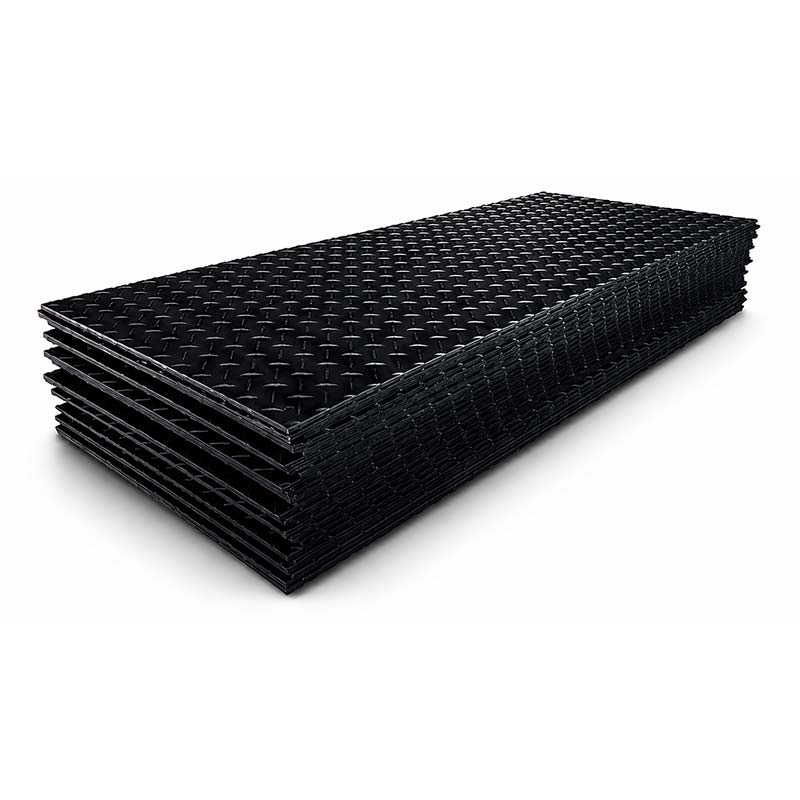
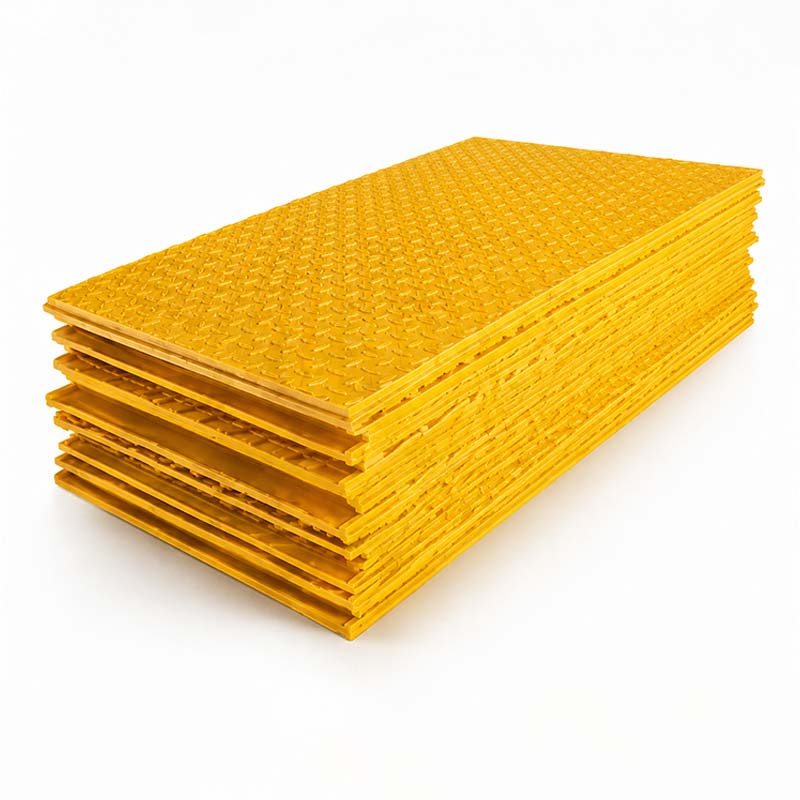
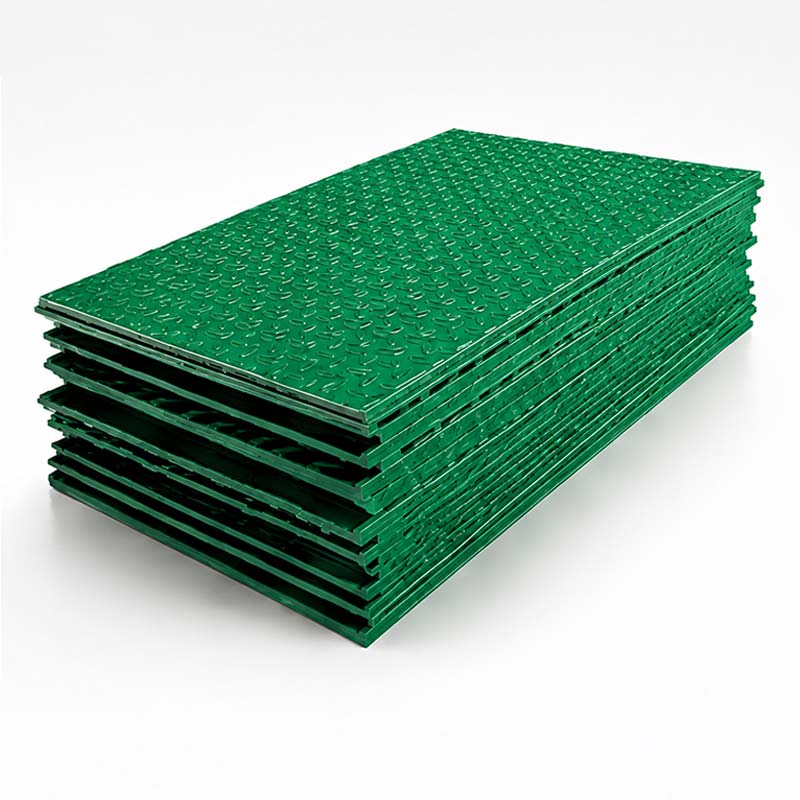
Description
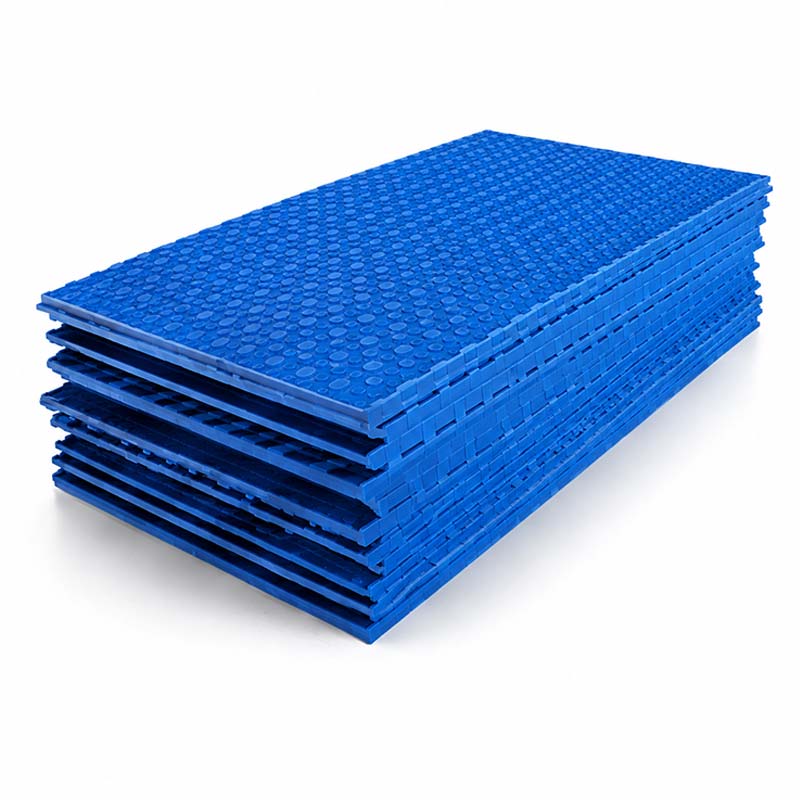
HDPE Ground Protection Mats Specifications
| Item |
Specifications |
| Standard Sizes |
1000×2000mm, 1000×3000mm, 1220×2440mm, 1500×3000mm. Custom length & width and irregular cutting available. |
| Standard Thickness |
6mm, 10mm, 15mm, 20mm, 25mm, 30mm, 40mm, 50mm. Thickened plates of 60–150mm can be customized for heavy-duty large wharves. |
| Color |
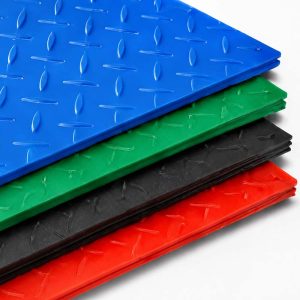
Customizable |
| Dimensional Tolerance |
Length & width ±2mm, thickness ±1mm. High surface flatness, free of warping, bubbles and delamination; fits tightly against fender steel plates during installation. |
| Machining Structure |
Pre-drilled mounting bolt holes, countersunk holes, snap-fit joints and splicing rabbets available. On-site cutting, drilling and bending supported. Compatible with D-type, arch-type and cylindrical rubber fenders. |
Basic Material Parameters
- Molecular weight: ≥3,000,000 g/mol for conventional inland wharves; ≥5,000,000 g/mol for general coastal ports. For deep-water harbors and heavy-load scenarios with ten-thousand-ton ships, grades of 5,000,000–9,000,000 g/mol are preferred. Ultra-high molecular weight delivers outstanding wear resistance, impact resistance and anti-seawater aging performance.
- Material density: 0.93–0.96 g/cm³. The material is lightweight with greatly reduced weight compared with steel fender panels, lowering the structural load of wharves. It is easy to cut, drill, install and replace.
- Modified formula types: standard weather-resistant grade, special seawater anti-aging grade, anti-static explosion-proof grade, heavy-duty high-wear-resistant grade. Applicable to various aquatic environments including inland wharves, coastal ports, ship fenders and chemical terminals.
Core Mechanical Performance Parameters
| Property |
Test Method |
Virgin Material |
Unit |
| Molecular weight |
– |
3~9 million |
g/mol |
| Density |
ISO 1183-1:2012/DIN53479 |
0.92-0.98 |
g/cm3 |
| Compression Strength |
ISO 604:2002 |
≥32 |
Mpa |
| Tensile Strength |
ISO527-2:2012 |
≥22 |
Mpa |
| Elongation at break |
ISO527-2:2012 |
≥280 |
% |
| Dynamic Friction coefficient |
ASTM D 1894/GB10006-88 |
≤0.18 |
– |
| Notched impact strength (Charpy) |
ISO179-1:2010/GB/T 1043.1-2008 |
≥100 |
kJ/m2 |
| Vicat softing point |
ISO306:2004 |
≥80 |
℃ |
| Hardness Shore-D |
ISO 868:2003 |
61-66 |
D |
| The above values are average values,and the ASTM test methods were performed according to current standards. |
Marine-Specific Physical, Corrosion & Weather Resistance Parameters
- Operating temperature range: -50℃ to +80℃. Suitable for outdoor environments with large temperature differences between day and night and fluctuating high/low temperatures across northern and southern sea areas; no embrittlement at low temperatures and no softening at high temperatures.
- Water absorption rate: <0.01%, fully waterproof. No water absorption, swelling, deformation or delamination after long-term immersion in seawater and rainwater, featuring excellent dimensional stability.
- Friction coefficient: Self-lubricating with low friction performance. The static friction coefficient against ship steel surface ranges from 0.07 to 0.15. Ships slide smoothly during berthing to avoid scratching ship paint and hull steel plates, and greatly reduce shear force on fenders.
- Corrosion resistance: Resistant to seawater salt spray, acid & alkali corrosion and marine microbial erosion. It never rusts, mildews or rots, thoroughly solving common industry problems such as steel plate rusting and wood plate decay.
- Anti-aging performance: Specially modified with anti-UV and anti-ozone formula to resist aging caused by strong coastal ultraviolet rays and salt spray. No cracking or chalking occurs under long-term open-air immersion.
- Insulation performance: Volume resistivity >10¹⁰ Ω·cm with excellent insulating capacity. It prevents stray current generated by contact between ships and wharf steel structures and protects the anti-corrosion coating of ship hulls.
Service Life & Product Advantages
- Service life: More than 30 years for inland wharves; modified panels for coastal salt spray conditions serve 20–25 years. The service life is 3–5 times that of steel panels and over 10 times that of wooden panels.
- Anti-collision buffering: Excellent toughness absorbs impact energy during ship berthing, lowering fender wear, mitigating hull collision damage and improving berthing safety at wharves.
- Maintenance-free feature: No painting, rust prevention or anti-corrosion maintenance required, leading to zero later maintenance cost. Well suited for harsh marine environments with high humidity and heavy salt spray.
- Environmental performance: Non-toxic, odorless and recyclable. It causes no seawater pollution and complies with environmental construction standards for ports.
Wharf Working Condition Selection Criteria
- Small inland wharves, vessels below kiloton class: Standard grade with molecular weight of 3,000,000 g/mol and thickness of 10–20 mm.
- Ordinary coastal wharves, vessels ranging from kiloton to ten-thousand-ton class: Salt-spray-resistant and weather-resistant grade with molecular weight of 5,000,000 g/mol and thickness of 20–30 mm.
- Deep-water major ports, heavy-duty vessels above ten-thousand-ton class and wharves with high-frequency berthing: Thickened high-wear-resistance grade with molecular weight of 6,000,000–9,000,000 g/mol and thickness of 30–50 mm.
- Terminals dedicated for chemical, oil and gas industries: Adopt anti-static and explosion-proof modified fender facing plates to eliminate potential safety hazards caused by static electricity.