Description
Boron-loaded UHMWPE Sheets Specifications
| Item |
Specifications |
| Standard Sheet Sizes |
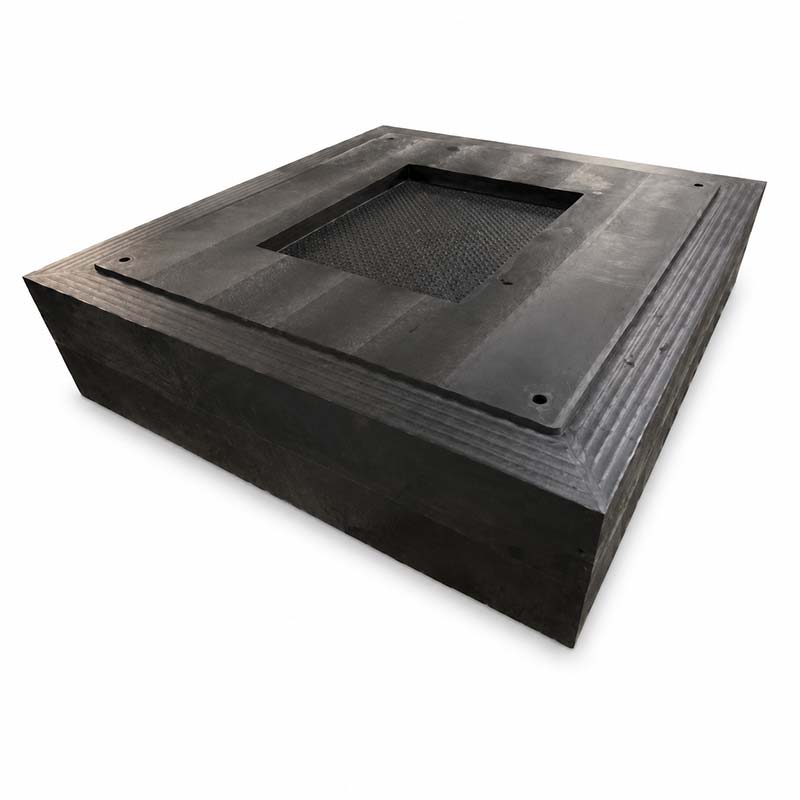
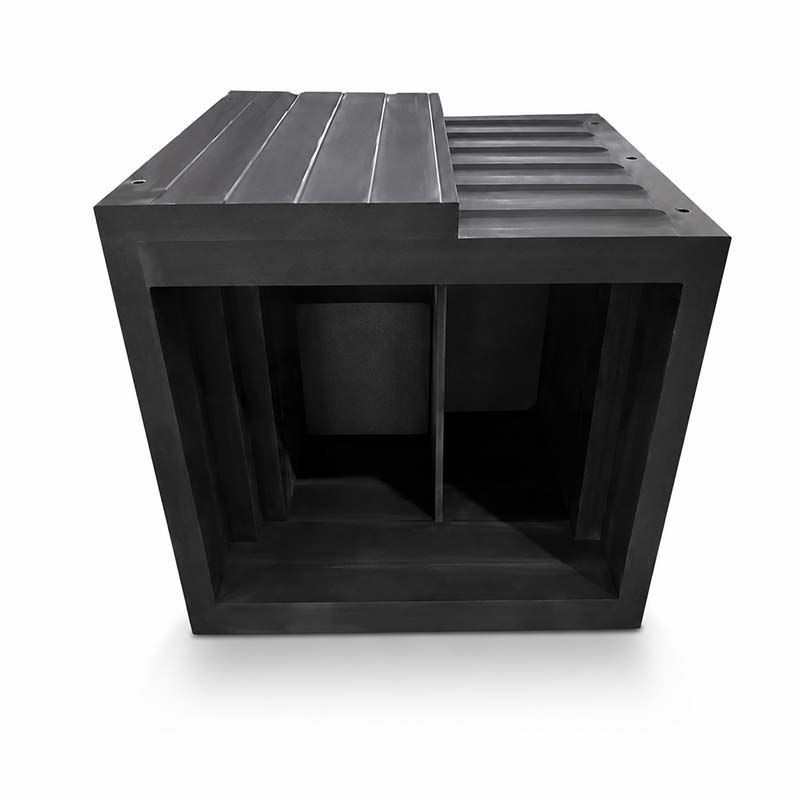
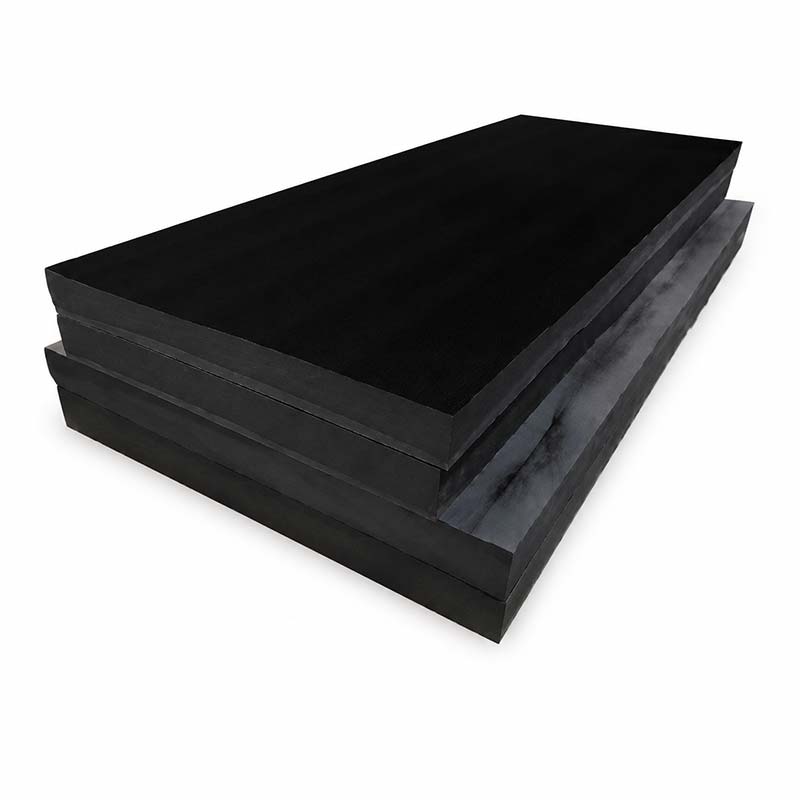
1220×2440mm, 1000×2000mm, 1500×3000mm. Custom cutting with arbitrary length & width, bending, drilling, welding and hot forming available; various irregular-shaped components can be fabricated. |
| Thickness Options |
2mm, 3mm, 5mm, 8mm, 10mm, 15mm, 20mm, 25mm, 30mm. Thin grades for linings and partitions; thick grades for load-bearing backing plates, equipment housings and anti-corrosion structural parts. |
| Color |
Customizable |
| Dimensional Tolerance |
Length & width ±2mm, thickness ±0.5mm. Flat and warp-free surface, free of bubbles, pinholes and delamination; uniform thickness with high welding adhesion. |
| Machining Features |
Hot-melt welding, bending, drilling and splicing available. Dense crack-free weld seams with simple processing. Suitable for pickling tanks, sedimentation tanks, silo linings, equipment guard plates, assembly line backing pads, etc. |
Basic Material Parameters
-
Substrate Molecular Weight: The substrate is ultra-high molecular weight polyethylene (UHMWPE) with molecular weight ≥ 3,000,000 g/mol. The substrate retains outstanding wear resistance, high toughness and impact resistance, eliminating the drawbacks of high brittleness and easy abrasion of ordinary PE sheets to guarantee structural stability.
-
Shielding Filler: High-purity boron carbide (B₄C) is adopted for functional modification and filling. The filler features high purity, uniform dispersion without agglomeration or precipitation, ensuring even and stable overall neutron shielding performance. Lead powder can be composited and added as required to improve gamma-ray shielding capacity.
-
Boron Content Specifications: Standard customizable boron contents include 1%, 3%, 5%, 10%, 20%, 30% and 40%. Grades with 3%–5% boron are commonly used for medical and laboratory applications; high-boron grades (10%–40%) are applied in nuclear power plants and industrial scenarios with intense radiation.
-
Material Density: 1.00–1.25 g/cm³. Density rises slightly along with increased boron content. The material is lightweight and free of heavy metal pollution. Compared with lead sheets, it is more eco-friendly, non-toxic and leaves no residual radiation.
-
Formula Classification: Single boron-containing neutron shielding type, lead-boron composite shielding type, anti-aging weather-resistant type and high-purity laboratory exclusive type. Applicable to medical treatment, nuclear power, military industry, scientific research, radiation testing equipment and other fields.
Core Mechanical Performance Parameters
- Tensile strength: ≥28 MPa; high-boron filled grades ≥24 MPa. The material maintains favorable tensile performance after modification, resisting cracking and delamination during cutting, drilling and installation fastening.
- Compressive strength (at 10% strain): ≥30 MPa. It boasts stable compression resistance with no deformation or denting under long-term static equipment pressure and frame clamping, making it ideal for fixed shielding walls and equipment protection structures.
- Charpy notched impact strength: ≥60 kJ/m². No brittle fracture occurs at low temperatures. It is vibration-proof and collision-resistant, avoiding damage during equipment transportation and on-site installation, outperforming conventional radiation shielding plates.
- Elongation at break: ≥80%. Excellent toughness accommodates minor equipment vibration and structural micro-deformation to prevent brittle fracture, ensuring high structural safety.
- Abrasion resistance: The material inherits the high wear resistance of UHMW-PE with extremely low abrasion loss. It can be applied to internal protection and conveying shielding structures of radiation equipment, resisting wear and powder shedding during long-term service.
Working Condition Selection Criteria
- Medical radiotherapy equipment and linear accelerator rooms: Adopt standard neutron shielding plates with 3%–5% boron content and thickness ranging from 20 mm to 50 mm.
- Protection for laboratory ray instruments and nuclear detection equipment: Select high-purity boron-containing sheets with 5%–10% boron content. The plates feature uniform texture and zero impurities to guarantee accurate test data.
- Nuclear power facilities, nuclear waste storage and industrial high-radiation working conditions: Use thickened high-boron sheets with 10%–40% boron content or lead-boron composite sheets to strengthen comprehensive shielding against high and low energy rays.
- Outdoor radiation monitoring equipment and open-air protection structures: Choose anti-aging modified boron-containing sheets with stable weather resistance and long-lasting performance.
- Scenarios requiring simultaneous shielding of neutrons and gamma rays: Lead-boron composite UHMWPE sheets are the preferred option to achieve dual radiation shielding.
Service Life & Product Advantages
- Service life: The service life exceeds 20 years for indoor fixed shielding applications. Its performance remains stable without attenuation or aging under radioactive conditions, greatly outperforming traditional shielding materials.
- Dual protection mechanism: Polyethylene moderates neutrons while boron carbide absorbs neutrons. No secondary rays or contamination are generated, making it a safe and eco-friendly neutron shielding material.
- Structural advantages: Light weight and high strength. Compared with lead sheets, it has lower dead weight for easier transportation and installation. Special construction protection conditions are not required, cutting overall construction costs.
- Cleanliness & environmental friendliness: Free of heavy metal volatilization and toxic dust. It meets cleanliness standards for medical facilities, laboratories and precision scientific research scenarios.